
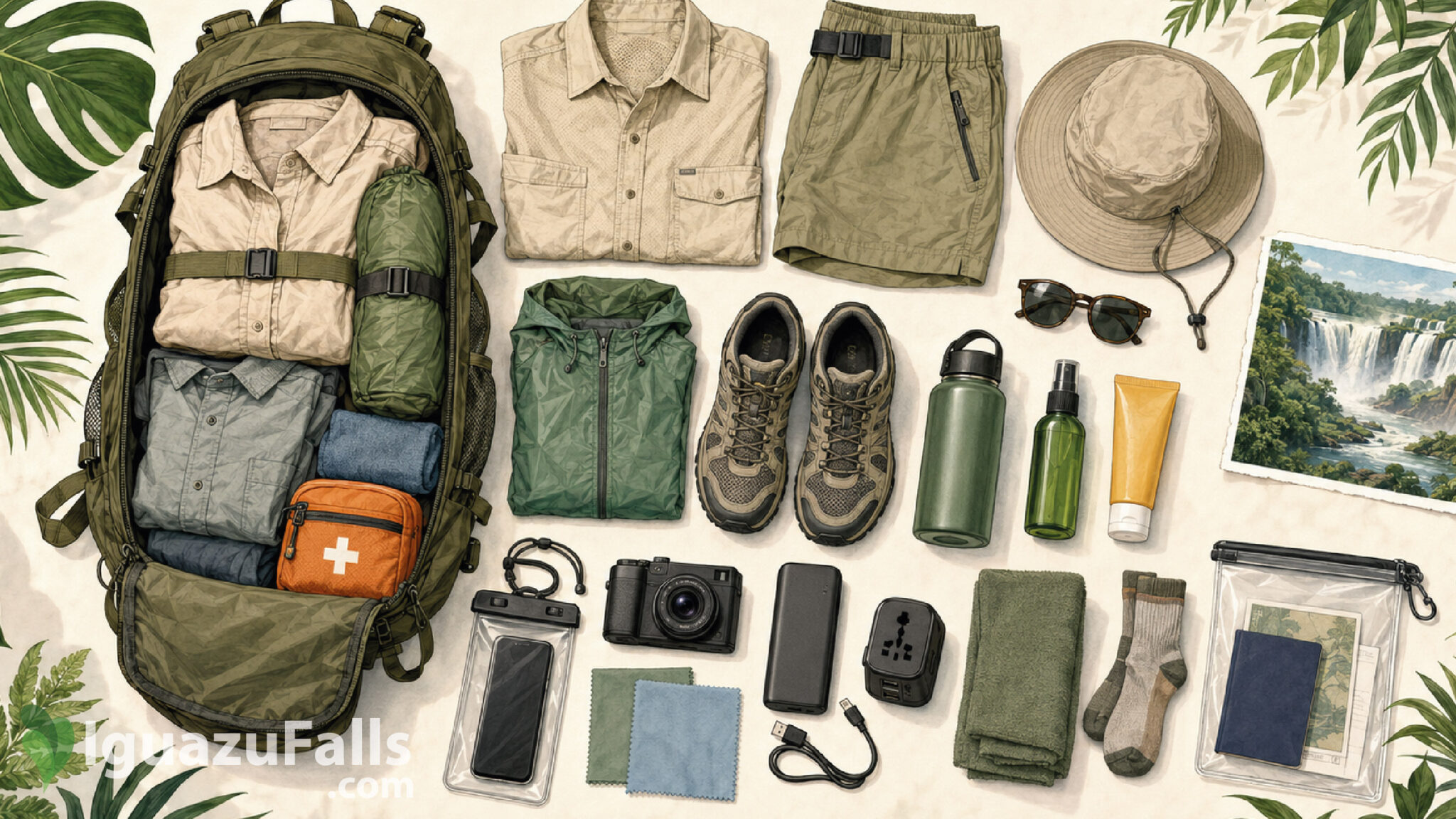
Visiting Iguazu Falls means entering a warm, humid rainforest where powerful waterfalls create almost permanent mist around the viewing platforms. Even on a sunny day, visitors can get wet. When rain arrives, it can be sudden and intense, and walking surfaces may quickly become slippery.
Packing for Iguazu therefore requires more preparation than an ordinary sightseeing excursion. Travellers need protection from water, sun, humidity and insects, while still keeping their daypack light enough for several hours of walking.
This complete guide covers what to wear, what to carry inside the national parks, how to protect electronics and which documents you may need when crossing between Argentina and Brazil.
DISCOVER A WONDERFUL PLACE TO ENJOY BIRDWATCHING. BE READY WITH YOUR BINOCULARS.

Iguazu Falls is surrounded by the Upper Paraná Atlantic Forest, a subtropical ecosystem shared by Argentina, Brazil and Paraguay. Conditions are generally humid throughout the year, but temperatures and rainfall vary considerably.
Summer, from December to February, is normally hot and humid. Temperatures can rise above 30°C, and afternoon storms are common. Winter, from June to August, is usually milder, but cold fronts can produce unexpectedly cool mornings and evenings.
The waterfall mist is independent of the weather. Several walkways approach the cascades closely enough for visitors to become wet even when the sky is completely clear.
The Brazilian park officially recommends hydration, sunscreen, insect repellent, suitable walking clothes and rain protection. It also notes that light spray is constantly present along parts of the Waterfalls Trail. Iguaçu National Park’s visitor rules provide current guidance.
The ideal Iguazu outfit has three characteristics:
Heavy cotton clothing, thick denim and fashion footwear may feel comfortable at the hotel but become unpleasant once exposed to humidity or waterfall spray.
The best approach is to dress for warm-weather hiking while carrying one light waterproof layer and a small change of clothes.
DISCOVER A WONDERFUL PLACE TO ENJOY BIRDWATCHING. BE READY WITH YOUR BINOCULARS.
Choose a breathable T-shirt or lightweight hiking shirt made from a quick-drying fabric. Moisture-wicking sports clothing works particularly well.
A loose, long-sleeved shirt provides additional protection from sun and insects. Sleeves can be rolled up when conditions become hotter.
Avoid relying entirely on thick cotton. Cotton absorbs water and may remain damp for hours in humid conditions.
Comfortable hiking shorts are suitable during warm weather. Lightweight trousers provide better protection from insects, sun and plants if the itinerary includes forest trails beyond the principal walkways.
Convertible trousers can be useful for travellers who want both options without carrying additional clothing.
Jeans are rarely practical. They become heavy when wet and dry slowly.
A reusable poncho is one of the most useful items for Iguazu. It can cover both the traveller and a small backpack and is easy to remove after passing through a particularly wet area.
A light waterproof jacket is more comfortable for extended rain or cooler weather, but it may not protect a backpack or lower body from waterfall spray.
Disposable ponchos are sometimes available locally, but a durable reusable model is more reliable and produces less waste.
Carry one dry shirt and at least one pair of spare socks in a sealed bag. They are particularly valuable after a boat ride or during days of heavy rainfall.
A complete change of clothes is not usually necessary for the normal walkways, but it is strongly recommended for waterfall boat excursions.
During winter, pack a light fleece, jumper or compact insulated layer. Iguazu can feel surprisingly cool during early-morning transfers, after sunset or when a cold front passes through the region.
The combination of damp clothing and wind can make temperatures feel colder than expected.
Swimwear is not needed for walking through the national parks, as swimming at the principal waterfall viewpoints is not permitted. However, it is useful if the hotel has a pool, spa or thermal-water facility.
Some travellers wear swimwear beneath their normal clothing for boat excursions. This can be practical, provided dry clothes are available afterwards.
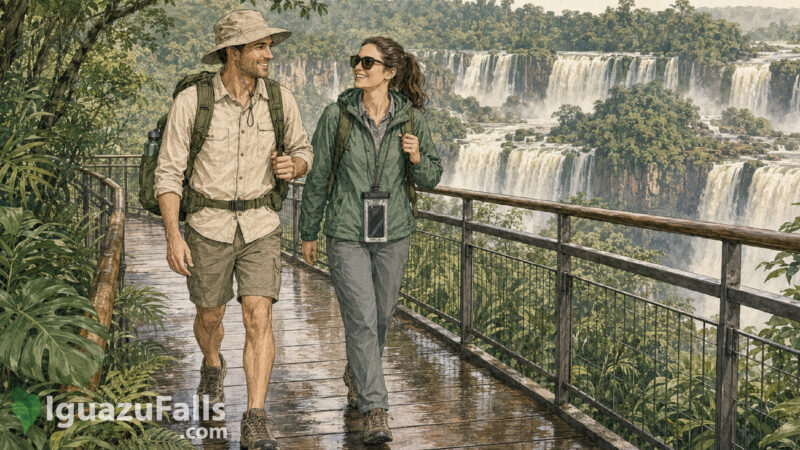
Footwear is one of the most important packing decisions.
Wear comfortable walking shoes, lightweight hiking shoes or supportive trainers with reliable wet-surface traction. Elevated walkways, stairs and viewing platforms can become slippery because of rain and continuous spray.
Shoes should already be broken in before the trip. Iguazu is not the place to test new hiking boots.
Secure hiking sandals can work well during hot weather and boat trips. They should have:
Ordinary flip-flops are not recommended for the main walking circuits. They offer little traction or support and can become hazardous on wet stairs.
Heavy leather boots are normally unnecessary unless the itinerary includes specialised trekking. They can become hot, uncomfortable and slow to dry.
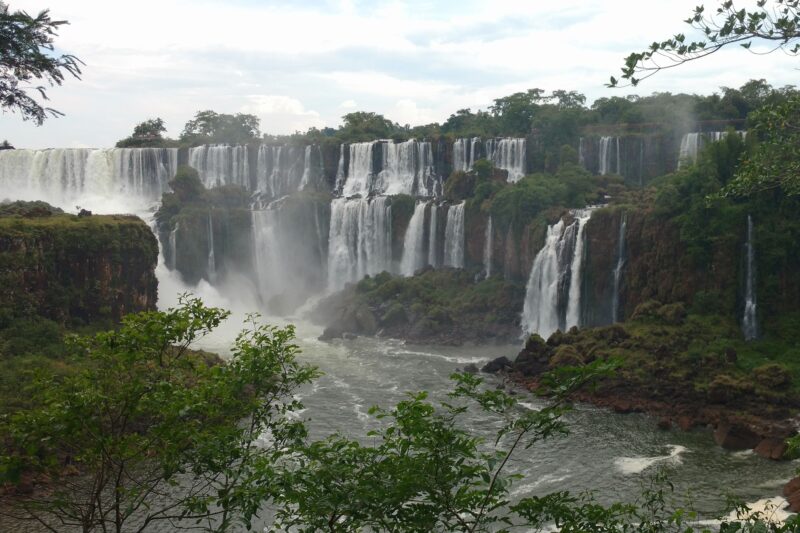
Waterfall mist can reach phones, cameras and bags without warning. A waterproof system should be prepared before entering the park.
A transparent waterproof phone pouch allows visitors to take photographs while protecting the device from spray. Choose one with a secure neck or wrist strap.
Test the pouch before travelling. Place a piece of dry paper inside, submerge it briefly and confirm that no water enters.
A small roll-top dry bag is the best protection for electronics, documents and spare clothing. A capacity of approximately five to ten litres is sufficient for most day visitors.
The dry bag can be carried inside a normal backpack for additional protection.
A few reusable resealable bags are useful for:
Use separate bags for wet and dry items.
A rain cover protects the outside of a daypack during normal rainfall. However, it may not be sufficient during intense waterfall spray or a boat excursion. Sensitive items should still be placed inside waterproof pouches.
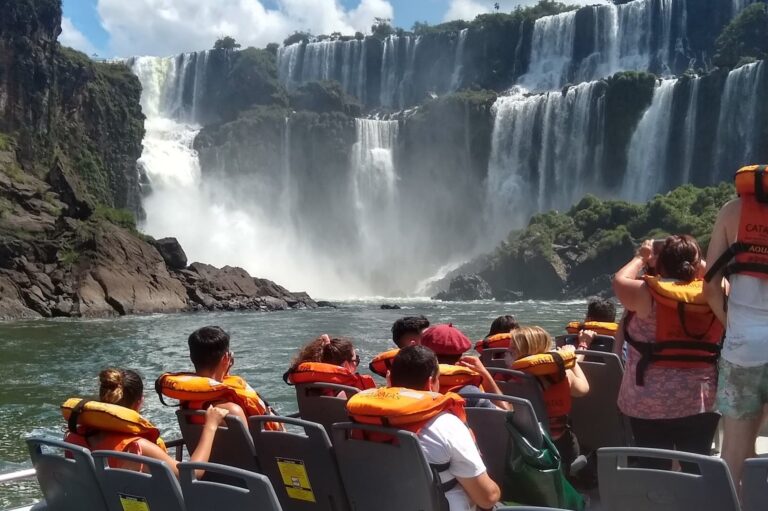
Experience the awe of Iguazu Falls on a 3-day tour from Buenos Aires. Book now for an unforgettable adventure!
From Price: USD150
Dengue, yellow fever, chikungunya and Zika are present in parts of the wider region. Repellent should be used during the day as well as in the evening.
Bring enough for the entire stay. During outbreaks or peak mosquito periods, preferred products may be difficult to find locally.
Apply sunscreen first, allow it to settle and then apply insect repellent. Travellers should consult current health guidance and a travel doctor before departure. Smartraveller’s Argentina advice identifies mosquito-borne diseases and yellow fever as risks in Misiones Province, while its Brazil guidance recommends protection against insect bites.
The combination of forest shade and waterfall mist can make visitors underestimate sun exposure. Use a broad-spectrum, water-resistant sunscreen and reapply it according to the manufacturer’s instructions.
A light hat with a brim protects the face and neck. Choose one with a chin cord if the itinerary includes a boat ride or exposed viewing platform.
Bring sunglasses with UV protection and a secure case. A retaining strap can prevent them from falling during boat excursions.
Carry a reusable bottle and drink regularly. High humidity can increase perspiration even when the temperature does not feel extreme.
Refill only at authorised drinking-water stations or from a trusted filtered source.
One single amazing destination, three different countries!
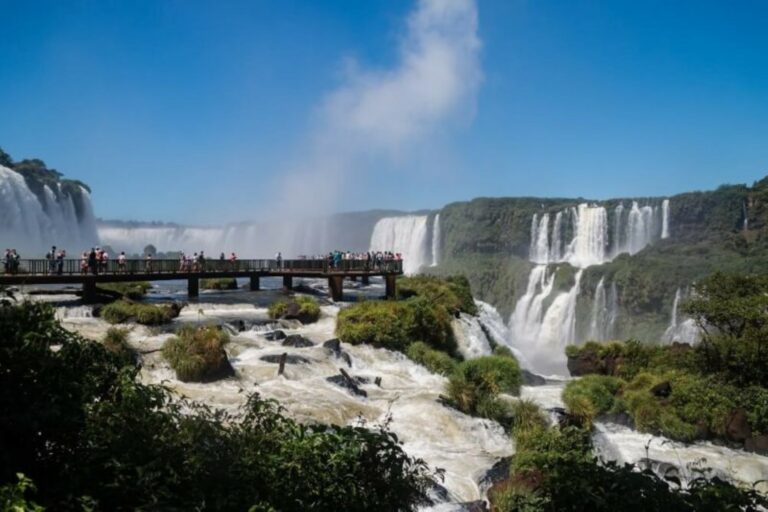
A daypack of approximately 15–25 litres is adequate for most visitors. It should be light, comfortable and small enough to carry easily on park transport.
A practical daypack contains:
Avoid filling the bag with items that can remain at the hotel. A heavy pack becomes uncomfortable after several hours of walking in humid conditions.

Iguazu Falls is divided between two countries. Visiting the Argentine and Brazilian parks requires an international border crossing.
Pack the following documents:
A photograph of a passport is useful as a backup but does not replace the original at immigration.
Keep physical documents inside a waterproof pouch. Mobile data may not work reliably at every stage of the border crossing, so important confirmations should be downloaded for offline access.
Visa requirements depend on nationality and can change. Travellers should check Argentine and Brazilian government information before departure rather than relying on an old travel article.
Visitors to the Argentine park should also respect the admission time selected when purchasing their ticket. Current ticket information is available through the official Argentine National Parks page.
A small personal first-aid kit is sufficient for an ordinary park visit. Consider including:
Prescription medicines should remain in their original packaging. Carry enough for the entire trip, together with a copy of the prescription and a doctor’s letter when appropriate.
Travellers should seek professional medical advice well before departure concerning yellow fever vaccination and other individual health needs. Comprehensive travel insurance should cover overseas medical treatment, evacuation and any planned adventure activities.
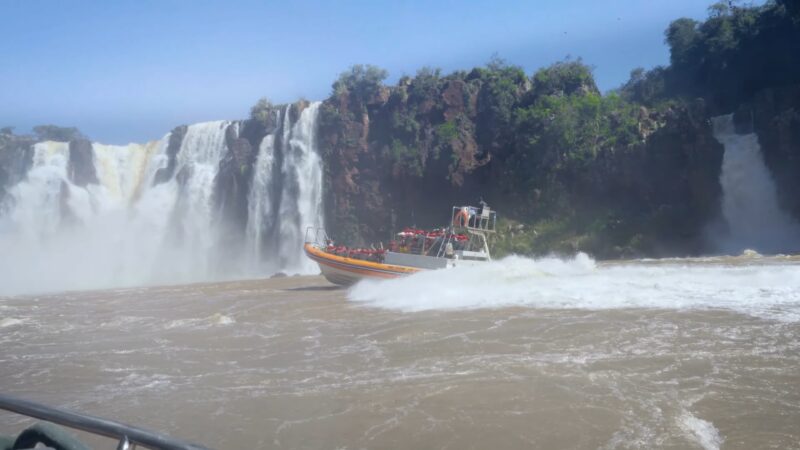
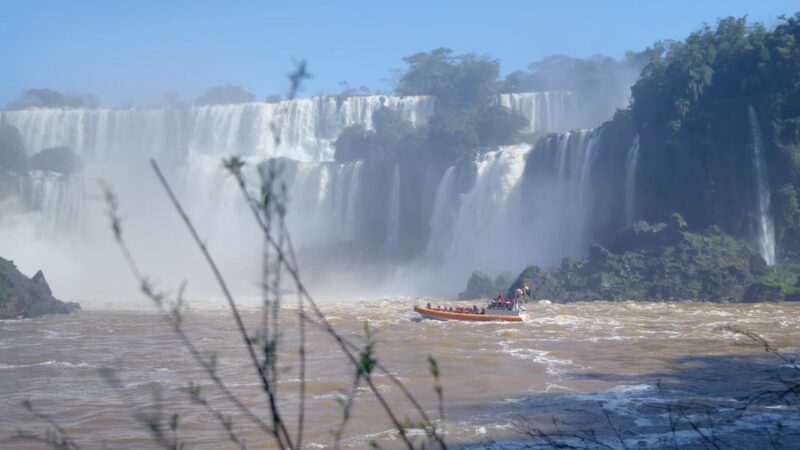
Boat excursions are among Iguazu’s most exciting activities, but passengers should expect to become completely wet. The experience is closer to standing under intense rain than receiving a little waterfall spray.
For a boat ride, bring:
Do not assume a normal backpack rain cover will protect electronics. Cameras, passports and medications require sealed waterproof protection.
Leave unnecessary valuables at the hotel. Follow the operator’s safety instructions and wear the supplied life jacket correctly.
Iguazu is an extraordinary photography destination, but the mist presents challenges.
Useful equipment includes:
Carry more than one lens cloth because the first may quickly become wet. Store used cloths separately from dry ones.
Avoid changing lenses in heavy spray. Moisture can enter the camera body, while airborne droplets may reach the sensor.
A large tripod is normally unnecessary for the main daytime circuits and can be inconvenient in crowds. A compact monopod or small travel tripod may be more practical where permitted.
One single amazing destination, three different countries!
Argentina commonly uses 220-volt, 50-hertz electricity with Type C and Type I sockets. Brazil primarily uses Type N sockets, sometimes alongside Type C, and local voltage may be 127 or 220 volts.
International travellers should carry:
Check that each charger accepts the local voltage before plugging it in. Most modern phone and camera chargers accept 100–240 volts, but hair appliances and older equipment may not.
Coatis frequently appear around visitor facilities and may approach people carrying food. They are wild animals and can bite, scratch or steal bags.
Keep snacks securely packed and never feed wildlife. Do not leave food visible in an open backpack or unattended on a table. The official Brazilian park rules specifically instruct visitors not to feed animals and to be cautious when eating near coatis.
Avoid carrying elaborate picnics unless the park’s current rules and designated eating areas allow them. Restaurants and snack facilities are available in the principal visitor zones, although queues and prices may be higher during busy periods.
DISCOVER A WONDERFUL PLACE TO ENJOY BIRDWATCHING. BE READY WITH YOUR BINOCULARS.
Prioritise:
Pack:
Add:
Do not pack exclusively for cold weather. Warm and humid days remain possible.
Prepare for:
Layering remains the most adaptable approach.
Families should carry:
Children should not carry food loosely near coatis. Adults should supervise them closely around wildlife, stairs, viewing platforms and wet surfaces.
Travellers using mobility equipment should consider:
Although important sections of both parks have accessible infrastructure, conditions, lifts and individual walkways can change. Confirm current accessibility before arrival.

Leave the following at the hotel whenever possible:
Large umbrellas are also inconvenient on crowded walkways and exposed viewpoints. A compact poncho or rain jacket is usually more practical.
For an ordinary warm-weather park visit, a reliable outfit would be:
For a cooler winter morning, add a light fleece or wind-resistant jacket that can be removed and packed later.
One single amazing destination, three different countries!

Enhance your visit to Iguaçu National Park in Brazil and experience a breathtaking sunset at Iguazu Falls with a delightful drink in hand.
From Price: USD139
The most important rule for Iguazu is simple: assume that water will reach you and pack accordingly.
You do not need expedition equipment for the principal circuits. Good footwear, light clothing, insect protection and reliable waterproof storage are more valuable than a heavy trekking kit.
With a carefully organised daypack, visitors can concentrate on the experience—the rainforest, rainbows, wildlife and extraordinary force of the waterfalls—without worrying about wet documents, damaged electronics or uncomfortable clothing.
Experience the Best of Argentina: From the Vibrant Buenos Aires to the Stunning Ibera Wetlands and Majestic Iguazu Falls!

