
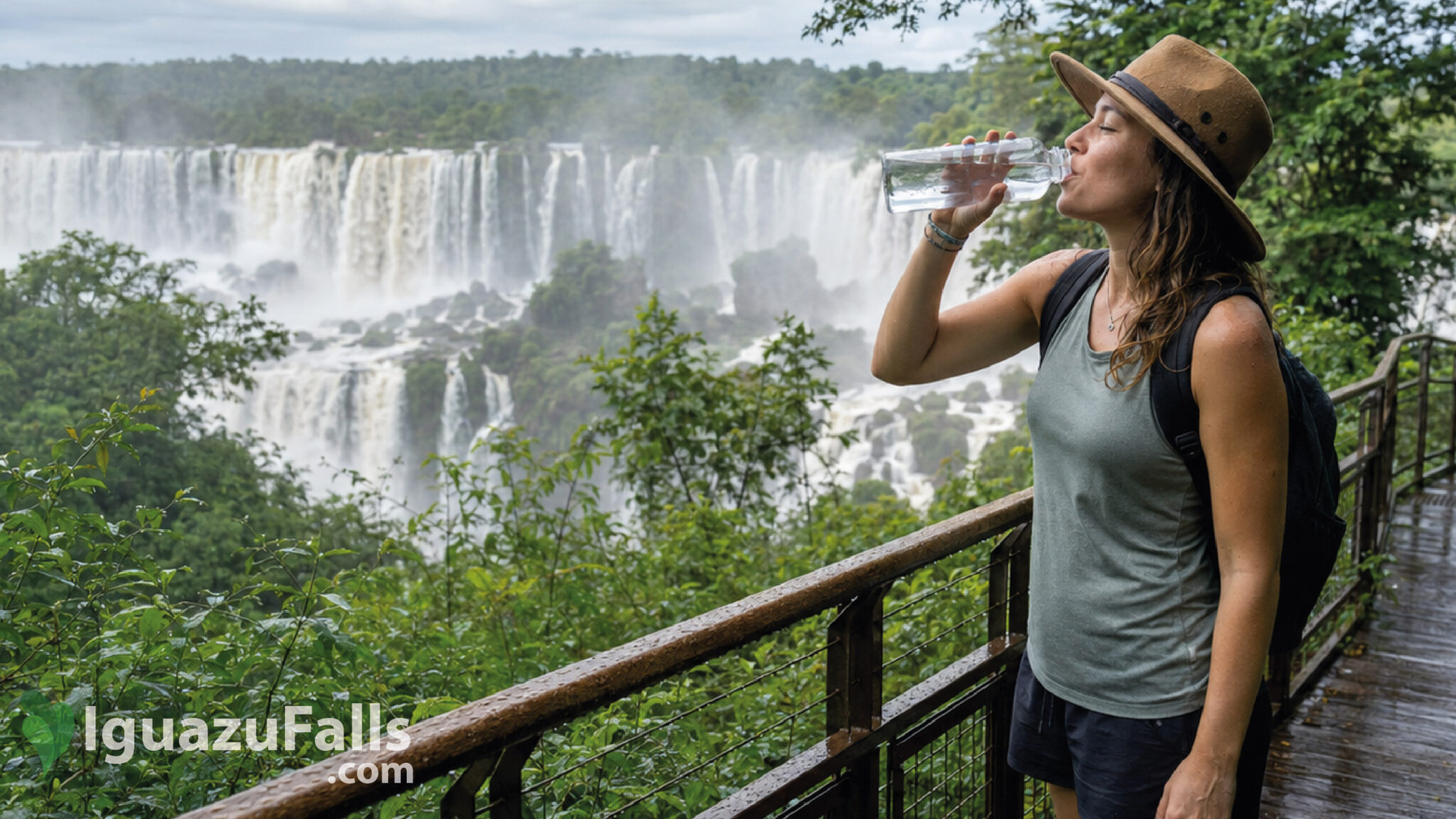
One of the most practical questions travelers ask before visiting Iguazu Falls is: Can you drink the tap water in Iguazu?
Both Puerto Iguazú in Argentina and Foz do Iguaçu in Brazil have treated municipal water systems. Many local residents drink tap water, and most established hotels, restaurants, and tourist facilities are connected to the public supply.
However, some international visitors prefer bottled or filtered water because differences in mineral content, treatment methods, taste, or local microorganisms can occasionally cause stomach discomfort. This does not necessarily mean that the water is unsafe; it may simply be different from the water your body is accustomed to.
For a short stay, the simplest and most cautious approach is to drink sealed bottled water, professionally filtered water, or water provided by a reputable hotel.
One single amazing destination, three different countries!
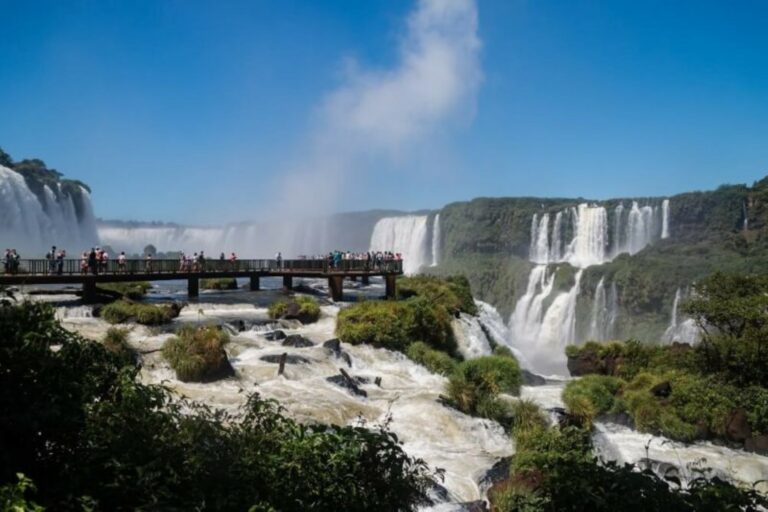
Puerto Iguazú is the main base for travelers visiting the Argentine side of Iguazu Falls. The city has a municipal drinking-water network that supplies treated water to homes, hotels, restaurants, and other businesses.
In principle, tap water connected to the official system is intended for domestic consumption. Nevertheless, water quality and taste can sometimes vary because of:
Most good-quality hotels monitor their water systems and may also use filters. If you are uncertain, ask the hotel reception whether the tap water in your room is recommended for drinking.

Enhance your visit to Iguaçu National Park in Brazil and experience a breathtaking sunset at Iguazu Falls with a delightful drink in hand.
From Price: USD139
Many travelers can drink the local tap water without experiencing any problems. Others may have sensitive digestive systems and react to relatively minor changes in water composition.
Travelers with sensitive stomachs, young children, older adults, pregnant travelers, or people with weakened immune systems may prefer sealed bottled water or properly filtered water throughout their stay.
If local authorities or your hotel issue a temporary water advisory, follow that guidance even if the water looks clear.
Foz do Iguaçu, the gateway to the Brazilian side of the falls, receives treated water through Sanepar, the sanitation company operating in the Brazilian state of Paraná.
The municipal government reports that the city’s supply undergoes treatment and quality controls before distribution. Investments and maintenance at local treatment facilities are designed to ensure that potable water reaches the population.
As in Puerto Iguazú, however, the quality of the water at the tap can also depend on the building’s plumbing, storage tank, and maintenance standards.
Tap water from the official supply is treated, but many international visitors still choose bottled or filtered water for drinking. This is often a matter of digestive sensitivity, taste, and convenience rather than an indication that the public supply is generally unsafe.
If you stay at a reputable hotel, ask whether the room’s tap water is suitable for drinking or whether the property offers filtered-water dispensers.
The Argentine and Brazilian national parks have visitor infrastructure that includes restrooms, restaurants, cafés, and refreshment areas. Drinking-water facilities may also be available at certain locations, but availability can change because of maintenance, park operations, or weather conditions.
Visitors should not enter either park without carrying their own water. Do not assume that a fountain, restaurant, or refill station will always be immediately accessible from every trail.
The Argentine side involves considerably more walking than many first-time visitors expect. A complete visit may include:
Although food and beverage outlets operate in the park, they are not located beside every viewpoint. Carry enough water to remain comfortable between service areas.
The main Brazilian trail is generally shorter than the combined circuits on the Argentine side. However, the warm weather, humidity, stairs, crowds, and exposure to the sun can still lead to dehydration.
The Brazilian visit may also be combined with other attractions, such as the Bird Park, Macuco Safari, or panoramic activities. If you plan a full day of sightseeing, carry additional water or purchase more during the day.
Refill options may be available in designated visitor areas, but locations and operating conditions can change. Ask park staff whether a particular fountain or dispenser provides potable water before filling your bottle.
A reusable bottle is useful, but carrying at least one sealed bottle as a backup is sensible.
One single amazing destination, three different countries!
No. Visitors should never drink water directly from the Iguazu River, waterfalls, streams, or natural pools.
Natural-looking water can contain microorganisms, sediment, animal waste, agricultural runoff, or other substances that are invisible to the human eye. The brown or reddish color of the Iguazu River is largely associated with suspended soil and sediment, but color alone cannot determine whether water is safe to drink.
River water would require appropriate treatment before human consumption.
For a regular park visit, most adults should begin with at least one liter of water per person. On especially hot or humid days, or when spending a full day on the Argentine side, 1.5 to 2 liters per person may be more appropriate.
Individual needs vary depending on:
You do not necessarily have to carry all the water needed for the entire day if reliable purchasing or refill opportunities are available. However, you should always have enough to reach the next service area comfortably.
Enhance your visit to Iguaçu National Park in Brazil and experience a breathtaking sunset at Iguazu Falls with a delightful drink in hand.
From Price: USD139
Iguazu Falls is located in a humid subtropical environment. Even when temperatures do not seem extreme, high humidity can make physical activity more demanding.
Sweat evaporates less efficiently in humid conditions, which can make the body feel hotter. Visitors may lose fluids without immediately realizing how much they have perspired.
Long walks, stairs, sun exposure, excitement, and crowded trails can all contribute to dehydration.
Early symptoms may include:
If you feel dizzy or unusually weak, stop walking, move to a shaded or air-conditioned area, and drink water gradually.
Seek medical assistance if symptoms are severe, persistent, or accompanied by confusion, fainting, repeated vomiting, or an inability to drink fluids.
Dehydration can occur at any time of year, but the risk is generally higher during hot and humid periods.
Summer in Iguazu runs approximately from December through March. Temperatures and humidity can be high, and thunderstorms are common. However, warm days can also occur during spring and autumn.
Even winter afternoons may feel warm when walking in direct sunlight.
Do not base your hydration plan only on the season. Check the weather forecast shortly before entering the park.

Explore the Brazilian side of Iguazu Falls and visit Parque das Aves in a single full-day experience.
From Price: USD95
Yes. Bottled water is widely sold throughout Puerto Iguazú and Foz do Iguaçu.
You can usually find it at:
Buying water in town is generally less expensive than purchasing it inside a national park, airport, hotel minibar, or major tourist attraction.
In Puerto Iguazú, useful Spanish expressions include:
In Foz do Iguaçu, useful Portuguese expressions include:
“Agua” in Spanish and “água” in Portuguese look very similar, although their pronunciation is different.
Discover two of Argentina’s most iconic destinations in one exciting journey.

Purchase bottled water from established stores, hotels, restaurants, or official park concessions.
Before drinking it:
The World Health Organization recommends checking that bottled water seals have not been tampered with when water safety is uncertain.

Both still and sparkling bottled water are widely available in Argentina and Brazil.
Travelers should check the label carefully:
Some bottles look almost identical, so read the wording before purchasing.
Sparkling water can contribute to hydration, but travelers who experience bloating or stomach discomfort may find still water more comfortable during a long day of walking.
Ice served by established hotels, restaurants, and official tourist facilities is normally made with treated water. However, the safety of ice depends on the water used and how it has been stored and handled.
If you are eating at a reputable restaurant or hotel, ice is generally less concerning. If hygiene conditions are uncertain, request drinks without ice.
The World Health Organization advises travelers to avoid ice when they cannot be sure it was made from safe water.
Useful expressions include:
Both mean “without ice.”
Experience the awe of Iguazu Falls on a 3-day tour from Buenos Aires. Book now for an unforgettable adventure!
From Price: USD150
Most travelers staying in established hotels in Puerto Iguazú or Foz do Iguaçu use tap water to brush their teeth.
However, people with particularly sensitive stomachs or weakened immune systems may prefer bottled or filtered water. The same precaution is advisable if the hotel reports a temporary problem with the water supply.
If you have been specifically advised not to drink the tap water, use safe water for brushing your teeth as well.
Hotels generally use the municipal supply, although some properties may have additional filtration or purification systems.
The principal difference is often building maintenance. A well-managed hotel should regularly inspect:
Do not assume that a luxury hotel automatically provides separately purified tap water. Ask the reception desk if you want confirmation.
Some hotels provide complimentary bottled water, while others charge for bottles in the minibar. Check before opening them.
Yes. A reusable bottle is one of the most practical items to bring to Iguazu Falls.
It helps reduce single-use plastic and makes it easier to monitor how much water you drink. An insulated bottle can also keep water cool during hot and humid conditions.
Only fill it from a source confirmed as potable. If you are uncertain about a tap or fountain, use sealed bottled water instead.
Most visitors staying in regular hotels and visiting established tourist areas do not need to bring a portable purification system.
A filter may be useful for:
Not all filters remove viruses, bacteria, protozoa, chemicals, and sediment equally. A basic filter bottle should not be treated as a guarantee that any natural water source is safe.
Experience the Best of Argentina: From the Vibrant Buenos Aires to the Stunning Ibera Wetlands and Majestic Iguazu Falls!

If you cannot obtain bottled or professionally treated water, boiling is one of the most effective methods for killing disease-causing microorganisms.
The World Health Organization recommends bringing questionable water to a rolling boil and allowing it to cool naturally in a clean, covered container. Ice should not be added unless it was made with safe water.
Chemical disinfection and certified filtration can also be useful, but their effectiveness depends on the product, the microorganisms present, and the turbidity of the water.
These methods are rarely necessary for a conventional hotel-based visit to Iguazu Falls, but they can be useful in an emergency.
Reputable restaurants use treated water for cooking, cleaning, and preparing beverages. Hot foods and freshly cooked meals generally present fewer water-related concerns than uncooked items handled under uncertain conditions.
Travelers with sensitive digestive systems may wish to be more careful with:
This does not mean visitors should avoid local food. Choosing busy, established restaurants and observing basic hygiene standards is usually sufficient.
One single amazing destination, three different countries!
No. Water from a jungle stream may look clean while containing microorganisms from wildlife, decomposing vegetation, or upstream human activity.
Visitors should also avoid entering unauthorized natural pools or approaching riverbanks to collect water. Currents around Iguazu Falls can be extremely dangerous, and access restrictions exist for safety and environmental protection.
Use only designated visitor facilities and authorized water sources.
Children may become dehydrated more quickly than adults and may not ask for water until they are already thirsty.
Parents should:
Very young children, babies using formula, and children with medical conditions may require additional precautions. Formula should be prepared with water known to be safe.
Older adults may have a reduced sense of thirst. Some medications can also influence fluid balance or increase sensitivity to heat.
Travelers with kidney, heart, or other medical conditions should follow their physician’s recommendations rather than automatically increasing fluid intake.
People with weakened immune systems should be especially careful about the source of drinking water and ice. The World Health Organization notes that vulnerable individuals may need additional protection from waterborne pathogens.
Water is usually sufficient for a normal sightseeing day. Sports drinks may be helpful after prolonged sweating, intense physical activity, or significant fluid loss, but they are not essential for every visitor.
Many sports drinks contain substantial amounts of sugar. They should supplement rather than completely replace water.
If you experience vomiting or diarrhea, oral rehydration salts are generally more appropriate than ordinary sports drinks because they contain a specific balance of water, salts, and glucose.
Traveler’s diarrhea can result from contaminated food, water, ice, or poor hand hygiene. It may also occur because of dietary changes.
If symptoms are mild:
Seek medical attention if you develop:
Children, older adults, pregnant travelers, and people with underlying medical conditions should seek professional advice sooner.
Municipal tap water in Puerto Iguazú and Foz do Iguaçu is treated for domestic use. However, some international travelers prefer bottled or filtered water to reduce the possibility of digestive discomfort caused by differences in treatment, minerals, or building plumbing.
Bottled water is a convenient and cautious choice, particularly for short visits, travelers with sensitive stomachs, and families with young children. Always check that the cap is properly sealed.
Begin with at least one liter per adult. Consider 1.5 to 2 liters for a full day, hot weather, or extended walking, unless you plan to purchase or safely refill water inside the park.
Visitors can generally carry personal drinking water into the parks. A reusable bottle or securely closed bottle is recommended. Follow current park rules regarding containers, waste disposal, and restricted items.
Potable-water facilities may be available in some visitor areas, but their location and operation can change. Carry water when entering and confirm refill points with park staff.
Ice at reputable hotels and restaurants is generally made from treated water. If you are uncertain about hygiene standards, request your drink without ice.
No. Never drink untreated river, waterfall, or stream water. It may contain microorganisms and other contaminants that cannot be identified by sight.
Most visitors staying in established hotels use tap water for brushing their teeth. Bottled or filtered water is a more cautious option for travelers with sensitive stomachs, weakened immune systems, or concerns about a particular building’s water supply.
Water and other beverages typically cost more inside national parks and tourist attractions than in supermarkets or convenience stores. Buy water before entering, while ensuring you do not carry an unnecessarily heavy load.

Experience the wonder of Iguazu Falls on a private 2 day tour from Buenos Aires. Easily reserve accommodations and optional activities. Book now!
From Price: USD150
Before leaving your hotel:
Puerto Iguazú and Foz do Iguaçu both have treated municipal water systems, and many residents consume tap water. Nevertheless, bottled or properly filtered water is often the easiest choice for international visitors, especially during a short stay.
Inside the national parks, always begin your visit with drinking water and do not depend entirely on finding a nearby fountain or kiosk. Iguazu’s heat, humidity, walking trails, and long sightseeing days can cause dehydration more quickly than expected.
Check the seal on bottled water, use only confirmed potable refill points, avoid untreated river water, and ask your hotel for local guidance if you are uncertain. With these simple precautions, staying safely hydrated at Iguazu Falls is straightforward.
Experience the awe of Iguazu Falls on a 3-day tour from Buenos Aires. Book now for an unforgettable adventure!
From Price: USD150
Experience the wonder of Iguazu Falls on a private 2 day tour from Buenos Aires. Easily reserve accommodations and optional activities. Book now!
From Price: USD150
