
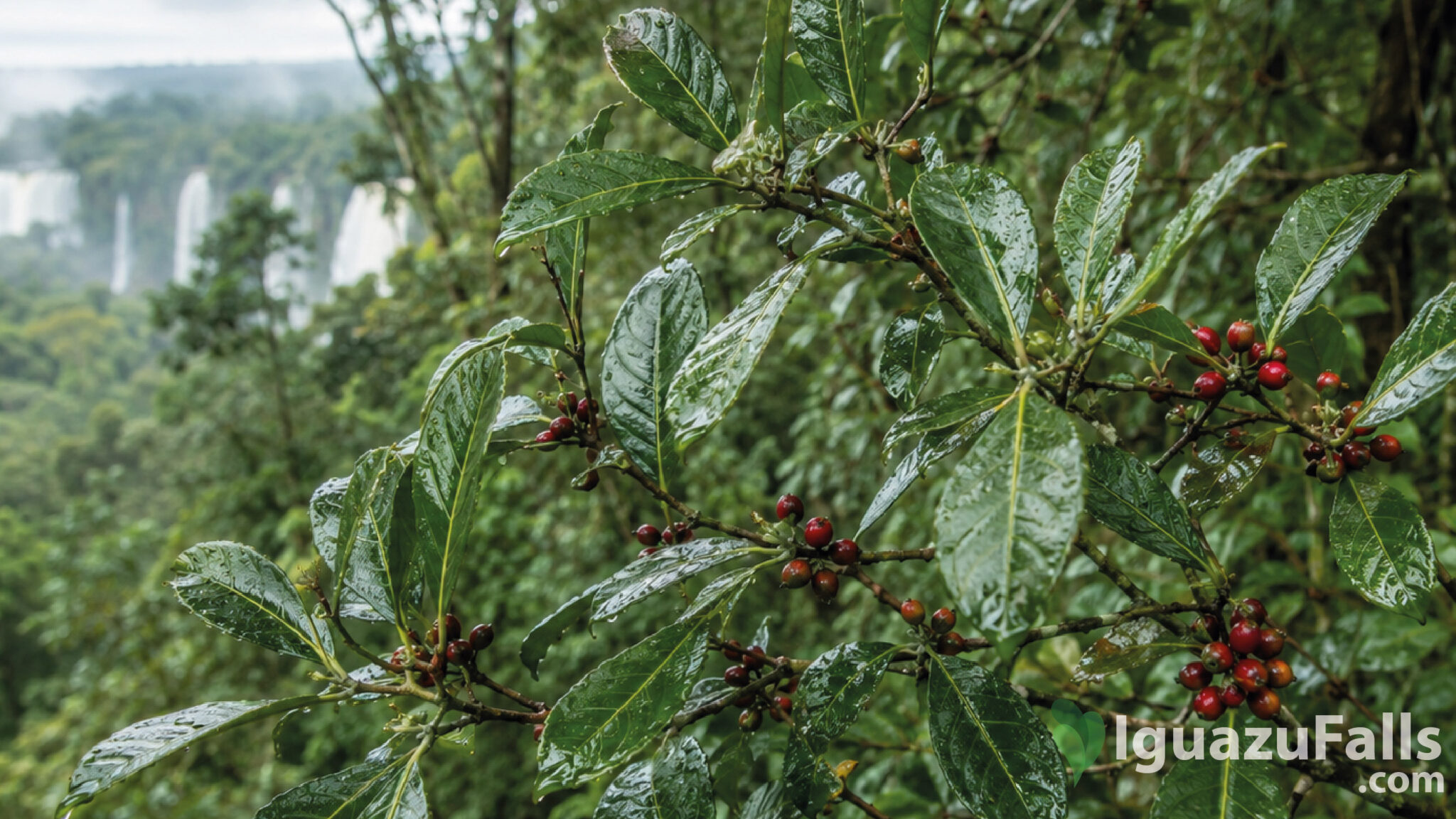
The rainforest surrounding Iguazu Falls contains far more than spectacular scenery. Beneath its canopy grows an enormous botanical pharmacy—or, more accurately, a living library of plants that Indigenous communities and rural populations have studied through observation and experience across generations.
Leaves, bark, roots, fruits and resins have traditionally been prepared as infusions, washes, syrups, compresses and other remedies. This knowledge forms part of the cultural heritage of the Guaraní peoples and the wider communities of Argentina, Brazil and Paraguay.
However, the expression “medicinal plant” must be used carefully. Traditional use does not automatically prove that a plant is safe or clinically effective. Some species contain powerful chemical compounds, and incorrect identification, preparation or dosage can cause poisoning, allergic reactions or dangerous interactions with medication.
The medicinal plants of Iguazu should therefore be approached through respect, conservation and education—not as ingredients for visitors to collect and experiment with.
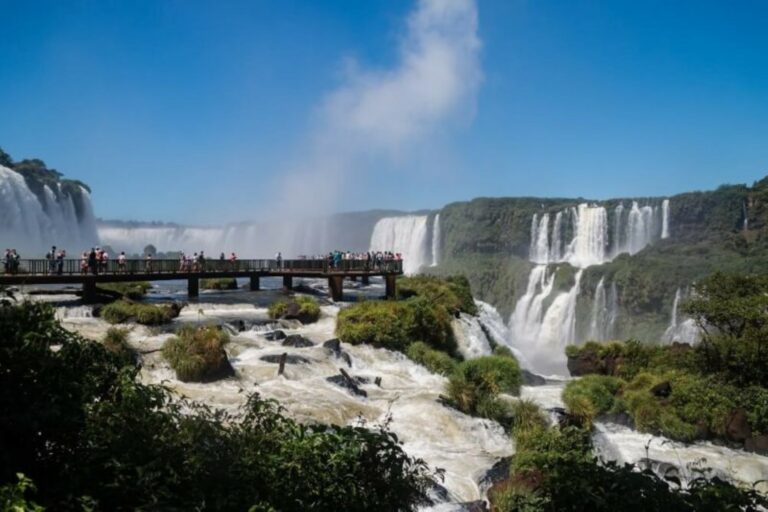
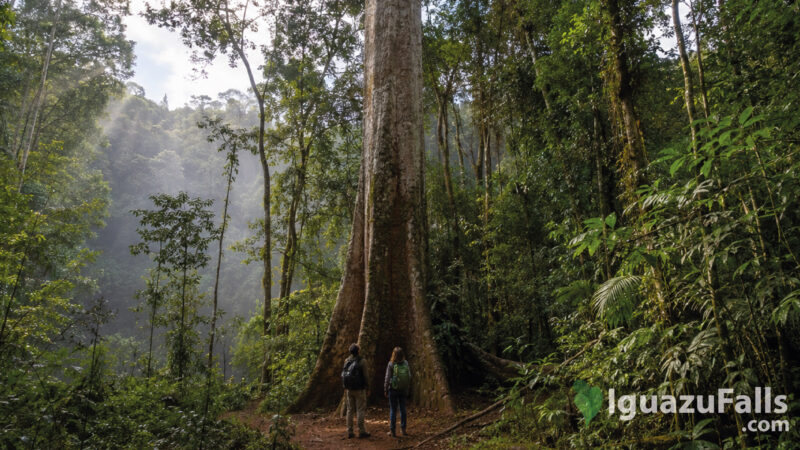
The Argentine and Brazilian national parks surrounding Iguazu Falls protect part of the Upper Paraná Atlantic Forest.
This subtropical ecosystem includes:
Many species produce chemical substances to protect themselves against insects, fungi, bacteria, herbivores and environmental stress.
These natural compounds may also have biological effects in humans. Modern pharmacology has frequently investigated plants because of traditional knowledge suggesting possible activity.
The forest’s potential, however, cannot be reduced to a list of possible medicines. Every species is also part of an ecological system supporting pollinators, soil organisms, wildlife and water cycles.
One single amazing destination, three different countries!
The relationship between the Guaraní peoples and the Atlantic Forest extends far beyond the use of individual remedies.
The forest is a source of:
Traditional plant knowledge includes understanding when a species grows, which part has been used, how it is prepared and under what circumstances it should be avoided.
Ethnobotanical knowledge includes distinctions that may not appear in an ordinary plant guide:
Removing this context and presenting only a simplified recipe can distort the original knowledge and create health risks.
Indigenous knowledge is not an anonymous resource freely available for commercial use. It belongs to living communities with their own histories, rights and systems of understanding.
Responsible interpretation should acknowledge those communities and avoid treating their knowledge as folklore detached from its owners.
Experience the awe of Iguazu Falls on a 3-day tour from Buenos Aires. Book now for an unforgettable adventure!
From Price: USD150
A plant may be described as medicinal for several different reasons.
A community has historically used the plant for a health-related purpose.
Extracts or isolated compounds have shown activity in cells, microorganisms or laboratory models.
Small studies may suggest an effect, but the evidence remains limited.
The plant or a standardized compound has been tested sufficiently for healthcare authorities to recognize a particular use.
These categories are not equivalent. A result in a laboratory does not prove that drinking an infusion will safely treat a disease.
The concentration, extraction method, dose and route of administration all matter.
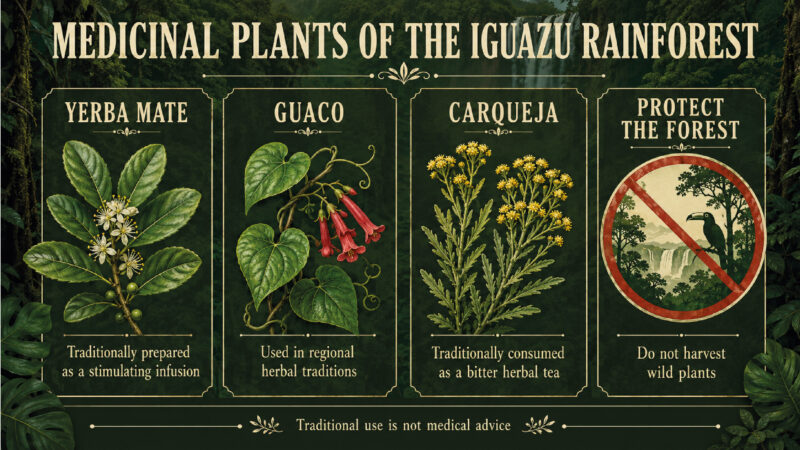
Yerba mate, Ilex paraguariensis, is the most internationally recognized plant associated with Misiones, Paraguay and southern Brazil.
It is a native understory tree whose leaves and small branches are processed to produce mate.
Mate is valued as:
The leaves naturally contain caffeine and other methylxanthines.
Sharing mate is deeply rooted in regional life. The same vessel and metal straw—called a bombilla—may be passed between participants.
The practice is as much about hospitality and conversation as it is about the beverage itself.
Because mate contains caffeine, excessive consumption may cause:
Very hot beverages can damage the tissues of the mouth and oesophagus. Mate should be consumed at a comfortable temperature rather than with boiling water.
Mate is a beverage, not a substitute for medical treatment.
DISCOVER A WONDERFUL PLACE TO ENJOY BIRDWATCHING. BE READY WITH YOUR BINOCULARS.

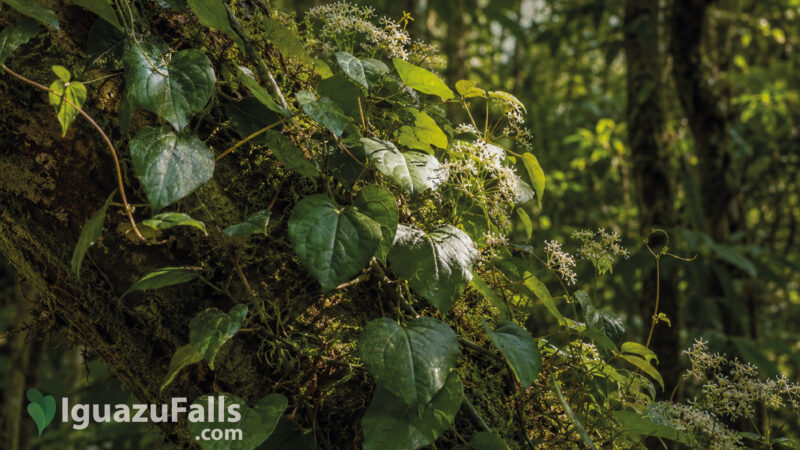
The name guaco is applied to several climbing plants, particularly species of Mikania.
In Brazil and neighbouring regions, guaco preparations have traditionally been associated with respiratory complaints.
Depending on the community and species, the leaves have been used in preparations intended for:
The name guaco does not always refer to one botanically identical plant. Different Mikania species may vary in chemical composition.
Some contain coumarin-related compounds, which may affect blood clotting and interact with anticoagulant medication.
A homemade preparation should not be treated as automatically safe simply because guaco products are commercially available elsewhere.
Ambay, commonly associated with Cecropia pachystachya, is a distinctive native tree with large, deeply divided leaves and a pale trunk.
Cecropias often colonize forest openings and disturbed areas where sunlight is abundant.
Ambay leaves and other parts have historically been used in regional herbal practices related to:
These are traditional associations rather than treatment recommendations.
Ambay is also an important wildlife plant. Its fruits feed birds and mammals, while the fast-growing tree helps cover disturbed ground.
Its value cannot be measured only by potential medicinal use.
Compounds in ambay may affect blood pressure or blood glucose. This creates potential risks for people using medication for hypertension or diabetes.
Self-treatment can lead to an additive effect or interfere with medical management.

Enhance your visit to Iguaçu National Park in Brazil and experience a breathtaking sunset at Iguazu Falls with a delightful drink in hand.
From Price: USD139
Pitanga, Eugenia uniflora, is a native shrub or small tree producing ribbed fruits that mature through orange and red to deep purple.
The fruit is eaten fresh and used in juices, preserves and other regional products.
The leaves have been used in folk preparations associated with:
Scientific studies have investigated antioxidant and antimicrobial compounds in the plant, but this does not establish every traditional preparation as safe or medically effective.
Eating a ripe pitanga fruit is not equivalent to consuming a concentrated leaf extract. Different plant parts contain different compounds and concentrations.
The Atlantic Forest contains numerous members of the myrtle family, including species of Campomanesia, Eugenia and Myrcianthes.
Many produce aromatic leaves and edible fruits.
Regional communities have used different species as:
Because common names vary between Argentina, Brazil and Paraguay, one name may refer to more than one botanical species.
Correct scientific identification is essential before evaluating any claimed property.
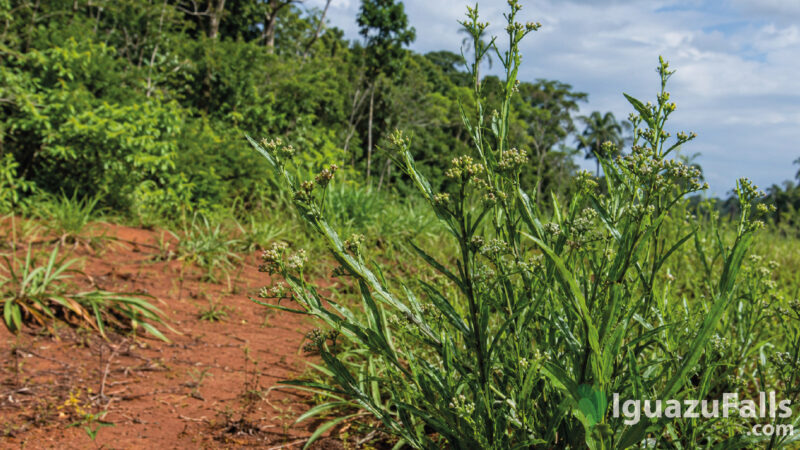
Marcela, usually associated with Achyrocline satureioides, is an aromatic plant widely known in southern South America.
It is more typical of open areas, roadsides and grasslands than the shaded interior of mature rainforest, but it forms part of the wider medicinal-plant tradition of Misiones and neighbouring regions.
Its flowering tops have commonly been infused in hot water and used in relation to:
Laboratory research has examined antioxidant and anti-inflammatory activity in compounds from the plant.
From Bustling City to Majestic Natural Wonders: Buenos Aires, El Calafate & Iguazu Falls in 9 Nights

The strength of a homemade infusion varies according to:
Pregnant people and those taking regular medication should not use concentrated preparations without professional advice.
Carqueja is a common name used for several species of Baccharis. These plants are usually recognized by their winged green stems.
They are more closely associated with open, sunny environments than dense forest interiors, but they are familiar throughout the wider Triple Frontier region.
Carqueja has been used in bitter infusions associated with:
Bitter taste is not evidence of safety or therapeutic effectiveness.
Carqueja preparations may influence glucose levels, blood pressure or digestion. They may be unsuitable during pregnancy or when combined with certain medicines.
Different Baccharis species may also be confused, making unverified collection unsafe.
Lemongrass, commonly known as pasto limón, capim-limão or cedrón pasto, is usually associated with Cymbopogon citratus.
It is not a native giant of the Iguazu rainforest. It is generally cultivated in gardens and around homes, but it has become an important part of local herbal practice.
Its aromatic leaves are commonly used for:
The presence of cultivated medicinal plants demonstrates that local ethnobotany includes both native and introduced species.
Experience the awe of Iguazu Falls on a 3-day tour from Buenos Aires. Book now for an unforgettable adventure!
From Price: USD150
Burrito, Aloysia polystachya, is an aromatic South American shrub widely used in herbal infusions.
Its leaves have a strong, pleasant fragrance.
Burrito tea is often associated with:
It may be served alone or mixed with yerba mate.
Commercial availability does not mean that unlimited consumption is appropriate, particularly for people with medical conditions or those using medication.
Cedrón, commonly identified as Aloysia citrodora, is known for its lemon-scented leaves.
It is cultivated in different parts of South America and used as a household infusion.
Cedrón is generally associated with:
As with other aromatic herbs, essential oils are far more concentrated than an ordinary infusion and should never be consumed casually.
Palo Amargo is a common name applied to bitter-wooded species, including Picrasma crenata in the Misiones region.
The plant’s name refers to the strongly bitter compounds found in its wood and bark.
Bitter bark preparations have historically been associated with:
Bark-based remedies are difficult to dose and may contain powerful compounds. Removing bark also damages the living tree and can expose it to disease.
Visitors should never taste, strip or collect bark.
Lapacho trees, particularly species of Handroanthus, are admired for their spectacular pink, purple or yellow flowers.
Bark products marketed under names such as lapacho, pau d’arco or taheebo have been promoted internationally for numerous conditions.
Inner bark preparations have historically been used in different South American traditions.
Modern commercial claims may include support for:
The existence of traditional use and laboratory research does not establish lapacho bark as a proven cancer therapy or cure.
Compounds associated with lapacho can cause adverse effects, especially at high concentrations. Potential risks may include:
People should never replace oncology care or other medical treatment with lapacho products.
Harvesting bark from wild trees is also destructive and prohibited in protected areas.
The name Sangre de Drago, meaning “dragon’s blood,” is used for several unrelated plants that produce red sap or latex.
Because the common name refers to different species in different regions, it is particularly dangerous to identify a plant by name alone.
Traditional external and internal uses have included wounds, digestive complaints and inflammation. However, the chemistry and safety vary according to the actual species.
This is a clear example of why online lists of “rainforest remedies” can be misleading.
Ñangapiry is a regional Guaraní-derived name often associated with pitanga, Eugenia uniflora, although plant names can vary locally.
Guaraní terminology is embedded throughout the botanical language of Misiones, Paraguay and southern Brazil.
Recognizing these names is important because they preserve cultural history and ecological knowledge. However, spelling or common-name similarity should never substitute for botanical identification.
DISCOVER A WONDERFUL PLACE TO ENJOY BIRDWATCHING. BE READY WITH YOUR BINOCULARS.
Ka’a he’ê is the Guaraní name associated with Stevia rebaudiana. The phrase is commonly interpreted as “sweet herb.”
Stevia is more strongly associated with Paraguay and neighbouring open environments than with the interior of the Iguazu rainforest, but it demonstrates the global importance of regional plant knowledge.
Compounds called steviol glycosides are responsible for the leaves’ intense sweetness and are now used in commercial sweeteners around the world.
The development of stevia also raises questions about who benefits economically when traditional Indigenous knowledge becomes a global industry.
Different parts of a medicinal plant can contain completely different compounds.
Leaves are commonly used because they are relatively easy to harvest and may regrow.
However, removing too many leaves can weaken a plant.
Bark may contain concentrated defensive compounds, but harvesting it can seriously damage or kill a tree.
Ring-barking—removing bark around the full circumference—interrupts the movement of sugars and can be fatal.
Collecting roots often kills the entire plant and can rapidly reduce wild populations.
Flowers may contain aromatic compounds, but removing them prevents seed production.
Fruits may be consumed as food or used in preparations. Harvesting all the fruit deprives wildlife and reduces regeneration.
These substances are often chemically active and may irritate skin or eyes. Some are toxic.
Never touch or taste an unknown plant’s sap.
Ethnobotany studies relationships between people and plants. It can help researchers identify species worthy of chemical and pharmacological investigation.
The process usually involves several stages:
Many promising plants never become approved medicines because their effects are too weak, inconsistent or toxic.
Traditional knowledge can guide research, but it does not eliminate the need for safety testing.

A wonderful adventure activity including kayak and trekking
From Price: USD69
Everything inside Iguazú National Park and Iguaçu National Park is protected.
Visitors must not remove:
A leaf or fruit may appear insignificant, but it can be food, habitat or reproductive material.
Related plants can look similar while having very different chemistry.
Even the correct species may become harmful when the wrong part, concentration or method is used.
Taking a plant after hearing about its Indigenous use reduces a complex cultural practice to unqualified experimentation.
Plants and seeds are subject to conservation, agricultural and customs regulations.
Plants produce potent chemicals. Their natural origin does not guarantee safety.
Possible risks include:
Children, pregnant people, older adults and those with chronic conditions may be especially vulnerable.
Plant preparations can alter the way the body absorbs, processes or eliminates medication.
Particular caution is required with:
Always tell a qualified healthcare professional about herbal products being used.
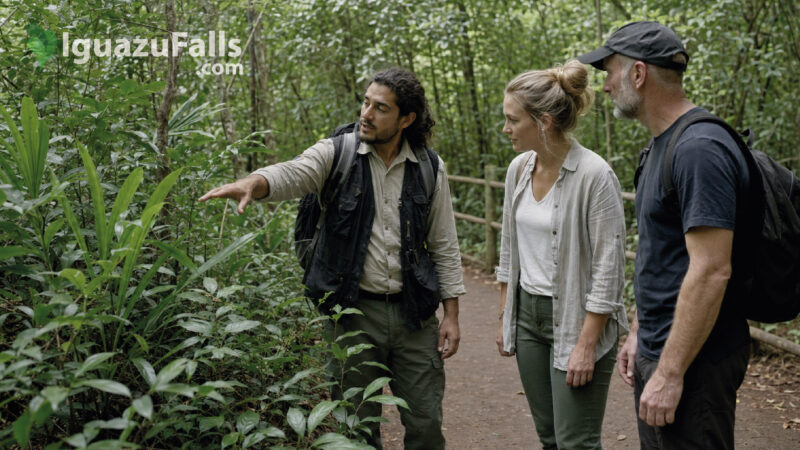
Ethnobotanical experiences may be available through cultural projects, community tourism initiatives, private reserves or specialized guides.
A responsible tour should:
The goal should be understanding, not harvesting ingredients.
Discover two of Argentina’s most iconic destinations in one exciting journey.

Visitors should avoid several common mistakes.
Traditional ecological knowledge is based on generations of detailed observation.
Knowledge, language and practices vary between communities and families.
Some knowledge may not be intended for tourists or public distribution.
Always ask before photographing people, activities or culturally significant places.
Whenever possible, choose programs in which Indigenous participants control how their knowledge is presented.
Buenos Aires, Iguazu Falls, and the End of the World

Protecting medicinal plants means protecting their habitats.
A plant may depend on:
Cultivating one species in a garden cannot fully replace its ecological role in the forest.
For some widely used species, responsible cultivation can reduce pressure on wild populations.
Cultivation also allows:
However, cultivated production must still respect Indigenous rights and traditional knowledge.
Scientists continue to investigate plants, fungi and microorganisms for possible pharmaceutical compounds.
The Atlantic Forest remains especially valuable because of its extraordinary species diversity and high number of organisms found nowhere else.
A species destroyed before being studied may take with it:
This is one reason biodiversity conservation is closely connected with public health.
No. Removing plants or natural material from protected areas is prohibited and potentially dangerous.
No. Traditional use, laboratory research and established clinical evidence are different levels of knowledge.
Yerba mate is native to the wider Upper Paraná Atlantic Forest and deeply connected with the cultures of Argentina, Brazil and Paraguay.
An application may suggest possibilities but should never be trusted for consumption or medical use. Similar-looking species can have very different effects.
Not necessarily. Both plants and pharmaceuticals contain active chemicals. The advantage of approved medicines is that their identity, dosage, purity and risks are more carefully controlled.
Only consume products offered through legitimate, hygienic and culturally responsible services. Ask what the plant is and disclose allergies or medical conditions. A tourism experience should never claim to replace medical treatment.
Herbal products may be sold in markets and shops, but legal sale does not guarantee that every product is appropriate for every person. Check ingredients and consult a professional when necessary.
Plants, seeds, foods and herbal products may be subject to customs and agricultural controls. Check current regulations before crossing.
No unverified plant remedy should be used as a replacement for professional diagnosis or evidence-based treatment.
A smart, great-value way to see Iguazu Falls in two nights. Stay at a confirmed 3-star hotel, join shared group tours to both the Brazilian and Argentine sides, and enjoy shared transfers from and to IGR or IGU.
This article describes historical and traditional plant uses for cultural and educational purposes. It does not recommend diagnosing or treating any condition with wild plants.
Visitors should never:
In an emergency or suspected poisoning, seek immediate medical assistance and provide as much information as possible about the plant involved.
The medicinal plants of the Iguazu rainforest reveal a side of the forest that cannot be understood through appearance alone.
A modest leaf may contain complex defensive chemicals. A bitter tree bark may carry generations of cultural knowledge. A common-looking shrub may depend on pollinators, fungi and forest conditions that scientists are only beginning to understand.
The greatest lesson is not that every plant offers a remedy. It is that the forest contains layers of biological and cultural knowledge that deserve protection.
For visitors, the responsible approach is simple: observe, learn and leave every plant where it belongs. The most valuable souvenir is not a leaf or a piece of bark, but a deeper understanding of the relationship between people, plants and the living Atlantic Forest.

Experience the wonder of Iguazu Falls on a private 2 day tour from Buenos Aires. Easily reserve accommodations and optional activities. Book now!
From Price: USD150
Experience the awe of Iguazu Falls on a 3-day tour from Buenos Aires. Book now for an unforgettable adventure!
From Price: USD150
